










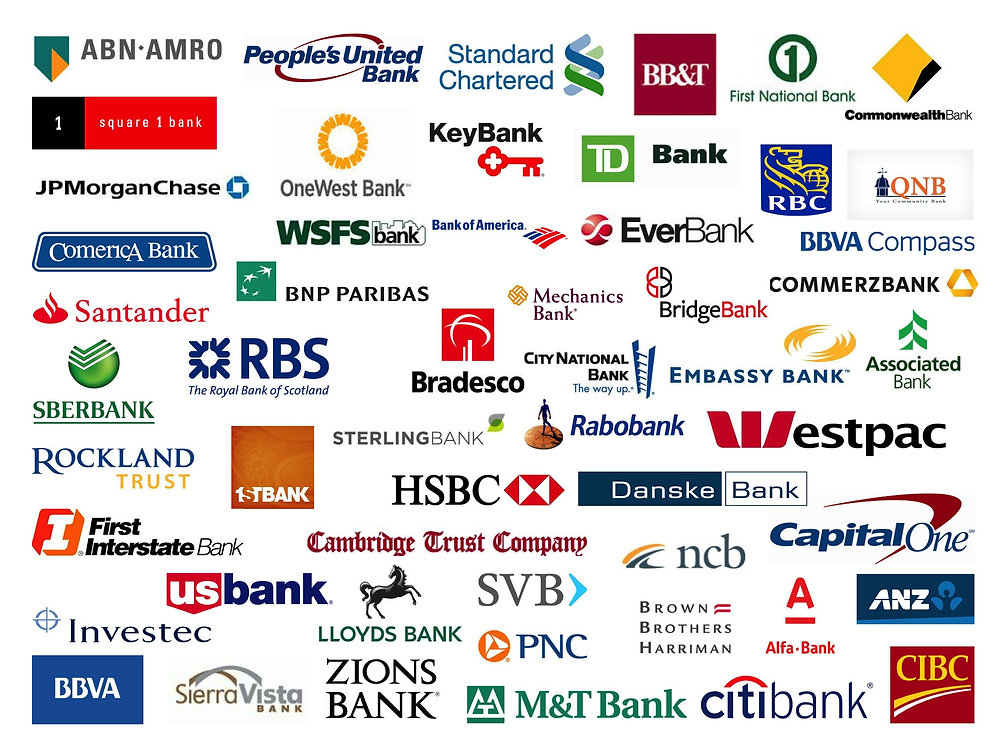
This question remains unanswered due to a number of factors. Let's look at USA Banks and continue with Carl Robertis here on Linkedin
Going back over the years of business, the one and constant problem was the issue of funding. It continues today as we all grow and some, like Carl Robertis need a hand in some way to help them help themselves while helping others! Lady Lacy and our team here have come up with the idea that can help millions across the USA, beginning today!
With the fundraiser going on for Carl Cannabis and others here seeking small to large funding, with every Lady Lacy package purchased, a $10.00 cash incentive will go to the seller. It's easy and just click here! or on the image below!
And our Greenest Bank question? Green banks generally share the following key features:
They are mission-driven financing institutions.
They have a mandate to advance the deployment of clean energy.
They leverage their funds to stimulate private capital.
They offer products across sectors and focus on bridging market gaps.
Green banks may be administered by the following entities:
Local or state agencies typically use legislative authorities and public or private funding to establish green banks, although a variety of funding sources and structures may be used. 4 For example, green banks can source funding from federal, state, or private grants and bonds; or they can capitalize utility ratepayer surcharges. Legislative action by a local or state government can be used to create a new entity or repurpose existing entities in the form of a green bank. Local governments must consider if they have the legislative authority to establish a green bank or whether they can partner with an existing state-administered green bank. 5
Nonprofit organizations may be established as green banks. This process typically does not require the legislation and authorization needed to establish a green bank as a government entity. 6 Some level of government support is important, but government dependency could potentially slow the formation or limit the operating flexibility of a green bank. In recent years, the number of nonprofit green banks established by government and community counterparts has increased. Nonprofit organizations can work with both public and private funders, and can tap into new centralized pools of capital, which allow green banks to expand their activities to a larger number of participants. 7
Green banks 1 are public, quasi-public, or nonprofit financing entities that leverage public and private capital to pursue goals for clean energy projects that reduce emissions. 2 Generally, state and local policymakers use green banks to deliver projects that are not sufficiently met by other financial markets and to achieve desired economic development or public benefit outcomes. Green banks deploy various financial services such as credit enhancements and co-investments to leverage private capital to achieve its objectives. In some cases, green banks can offer subsidized loans at interest rates lower than typical market offerings, or they can take on risks that the market is not currently accepting by offering loans to customers who do not meet the credit requirements of other lenders. In other cases, green banks provide support to other lenders, which can either be financial or procedural, to lower barriers for these lenders in markets that are currently underserved.
By focusing on underserved market sectors, green banks can complement existing clean energy programs by targeting market gaps. They can address existing barriers that otherwise prevent the expansion of clean energy. Many green banks have tailored their programs to improve access to clean energy projects for low- and moderate-income (LMI) communities. 3
Getting Started!
State and local decisionmakers should consider these steps and best practices during the design, approval, and management of a green bank:
Create an action plan with organizational goals, priorities, and constraints (e.g., fiscal, staffing).
Determine whether legislation is needed to establish a green bank.
Engage with key stakeholders to inform the development of the green bank and its policies, programs, and regulations.
Implement robust consumer protections.
Establish a sufficient source of sustainable funding to operate at scale.
Determine eligible technologies, project types, sectors, and appropriate financing terms.
Develop an initial program budget, including the funding necessary to capitalize the bank, costs for administration, and lending criteria and processes that will be used to evaluate and award funding based on program goals and financing needs in the target sectors.
Determine an organizational structure including staffing, leadership (e.g., whether establishing a governing board is necessary), and the partnerships needed to ensure proper governance (government-based, nonprofit organization, or another structure).
Weigh the program’s potential economic and environmental benefits against its costs and adapt planning as needed. Evaluate potential losses in capital due to poorly performing projects or customers, monitor the financial markets to identify changes that make projects or loans less attractive, and adapt lending and repayment plans to reduce losses.
Create an oversight and review process to ensure the bank operates effectively.
And stay tuned for our insights to the Greenest Banks! GreenTV Team!
Original source: https://greentv.com/post/who-is-the-largest-green-bank