










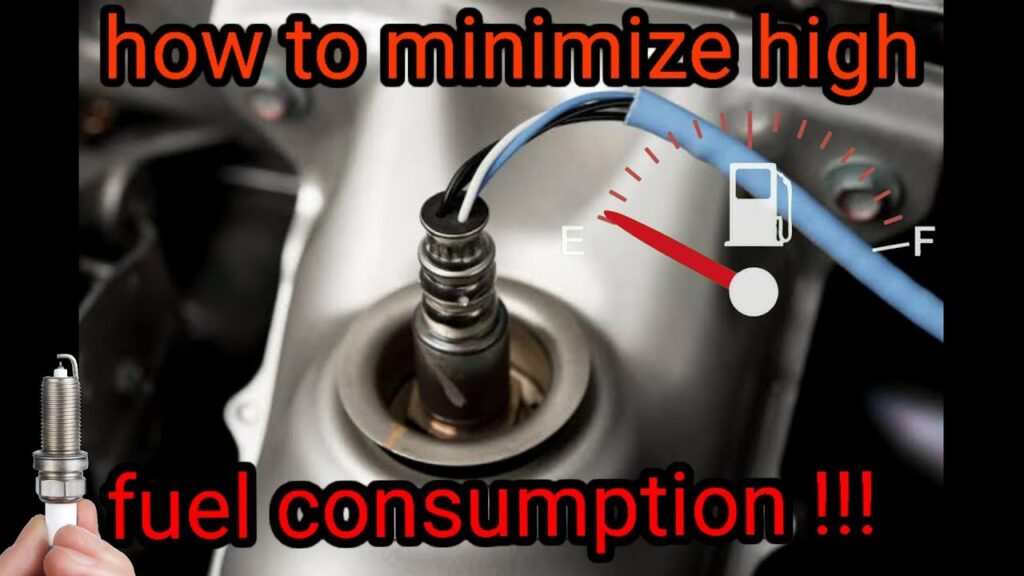
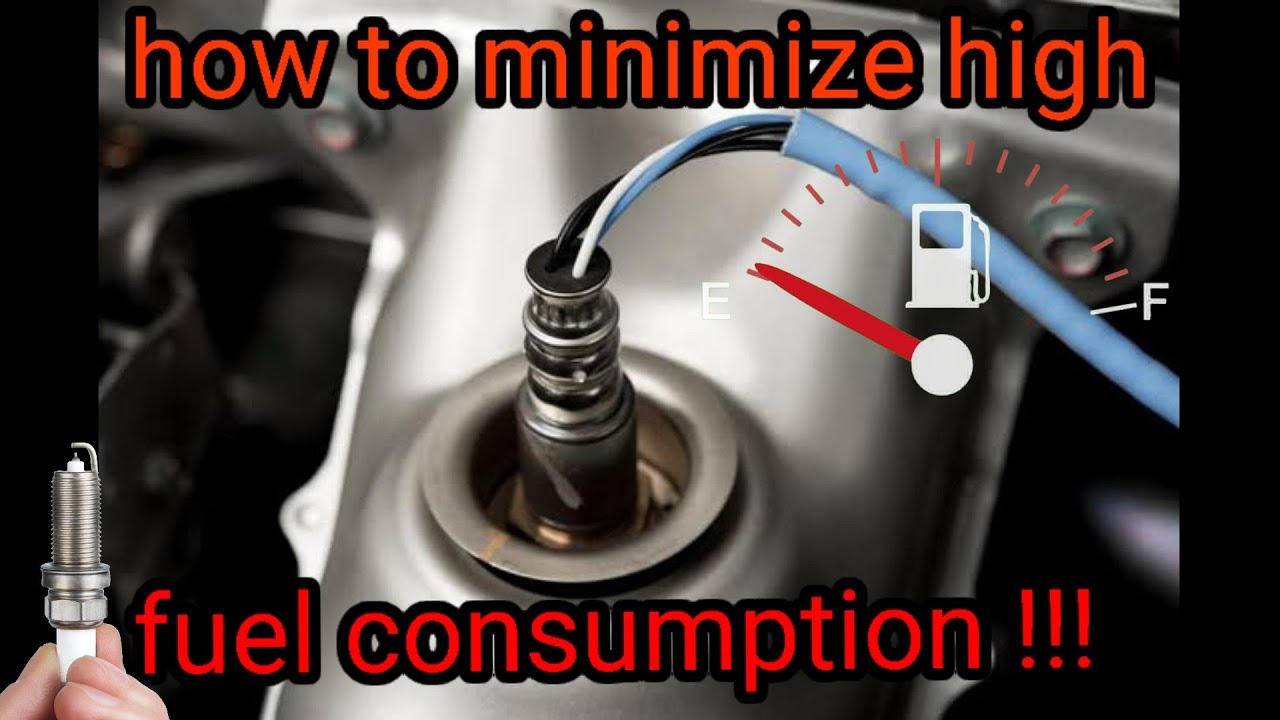
Watch how so many are reducing fuel prices by Gaya Gupta and 7th generation Auto Archives show us how to save fuel now! And go No Kings!
We are using this and saving fuel, polluting less and enjoying life being Greener!
Fertilizer. Phones and laptops. Flights. These are just some of the products made from or powered by crucial materials that ship through the strait of Hormuz, which still remains effectively closed due to the US-Israel war on Iran.
As the war approaches its fifth week, global oil shortages are forcing countries to take severe measures to save their reserves as Iran continues to block oil shipments.
Even if a deal to end the conflict is reached soon, unwinding the damage will take months.
US gas prices have reached their highest level in years, but the change in oil prices aren’t just impacting drivers: Oil is used to power the supply chain, from the machines that manufacture a cell phone to the diesel that powers a truck carrying it to a store.
The price increases come as many Americans are already strained by rising housing costs, grocery bills, and electricity statements. A Gallup poll released last week found that a third of Americans skipped meals and forewent other needs to afford their healthcare.
Here’s how the conflict with Iran is expected to affect prices.
Oil and gas
The average cost of gas in the US has jumped about 30% over the last month, with the national average hitting $3.97, the highest since 2023.
But diesel, which fuels many of the trucks that transport goods across the nation, has increased even further – by about 50%, or about $1.69 more than it did a year ago, according to data from AAA.
Higher diesel costs could soon affect transportation costs and, in turn, the cost of groceries as roughly 85% of agricultural goods are transported by trucks.
Alex Jacquez, chief of policy and advocacy at the Groundwork Collaborative, a progressive policy group, said that the impact of oil and gas shortages on the supply chain can be categorized as first-order effects or second-order effects.
First-order effects are the direct impacts of the conflict, and for most consumers, this means higher prices at the gas pump.
Second-order effects are indirect and much broader, with potential impacts to the price of crops, semiconductor chips and medical devices that could eventually stream down to consumers.
“It’s just a matter of when they work their way through the supply chains,” Jacquez said. “Maybe it’s on next month’s orders, or maybe next week’s orders, or whatever it may be. But eventually some of these increases we’ve seen are going to get passed through, if they get large enough.” How the Iran war is expected to affect US prices, from gas to flights | Business | The Guardian
The Patented device from Auto Archives, the family automotive business in 1929!
And many thanks to PNC bank!
Original source: https://greentv.com/post/save-500-for-50-00-this-weekend